
The Pathologist Capacity Gap in Indian Diagnostic Microscopy.
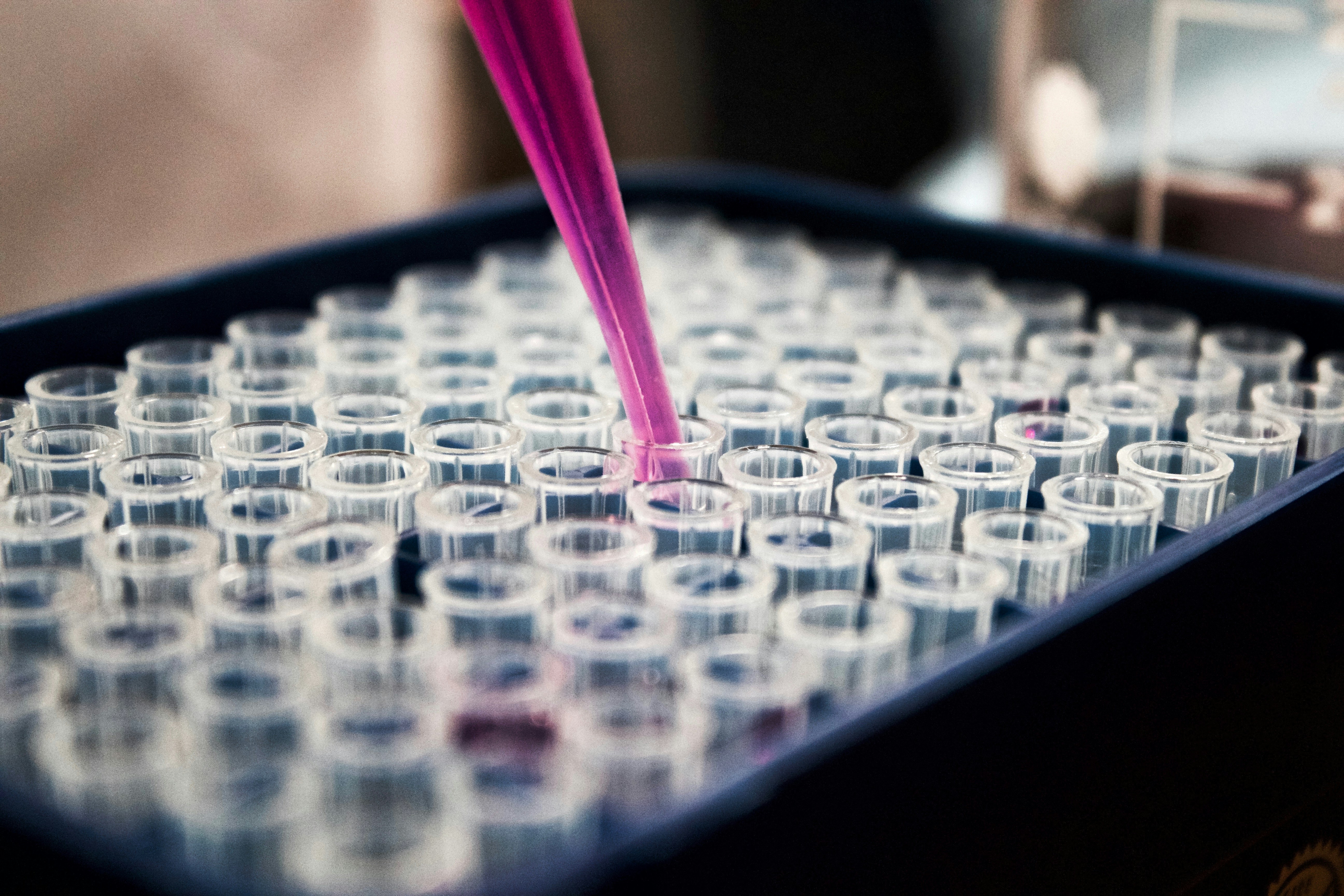
India's diagnostic laboratory sector is digitising fast with scanners, cloud storage, and government subsidies like the Ayushman Bharat Digital Mission (₹1,500 crore telepathology allocation). However, reviewing capacity behind digitisation remains severely constrained.
Fewer than 10,000 practising MD pathologists sit behind 300,000+ laboratories nationwide. As microscopic review demands for oncology, haematology, and infectious disease continue to surge, the structural gap creates acute operational bottlenecks:
- Severe Specialist Workforce Shortage: Asia operates at roughly 6.8 pathologists per million population compared to 48.8 per million in North America — a 7x regional gap. Most Indian labs have no realistic path to hiring on-site specialists.
- Surging Disease Burden: ICMR projects 15.7 lakh (1.57 million) annual cancer cases with a 1 in 9 lifetime risk. Blood cancers, anaemias, and blood-borne parasites all depend on scarce microscopic smear review skills.
- Sequential Manual Review Limits: Slide review is one-sample-at-a-time manual work. Documented inter-observer variability creates diagnostic inconsistencies for borderline or rare cellular findings.
- Turnaround Delays & Courier Friction: Rural and semi-urban centers courier physical glass slides to distant metro reference labs, adding days to time-sensitive diagnostic calls.

Current market solutions focus heavily on hardware scanning and remote image transmission, but fail to generate true reviewing capacity for small and mid-sized facilities.
An evaluation of current approaches shows clear operational limitations across the diagnostic ecosystem:
- Manual Review & Courier Networks: Relocates physical bottlenecks to reference centers without creating new reviewing throughput.
- Plain Digital Slide Scanners: Digitises glass slides for screen viewing but still requires 1:1 manual pathologist review time per sample.
- Telepathology Platforms: Connects remote sites to specialists, but operates purely as a transit layer without clinical decision assistance.
- Enterprise WSI AI Systems: High-cost platforms validated for large tertiary hospital networks; unsuited and unaffordable for the 300,000+ MSME diagnostic facilities.
Key Unserved Whitespace Gaps
1. Small Lab Pricing Barriers: Existing regulator-cleared AI pathology tools are priced for major hospital chains, leaving mid-tier labs without assistance.
2. Indian Sample Diversity: Limited public validation exists for local staining variations, slide prep techniques, and Indian population cell morphology.
3. LIS & Paper Workflow Integration: Smaller laboratories operate on simplified LIS software or physical logs, requiring friction-free integration layers.

Analysis of core structural risks inherent to the Indian clinical pathology landscape:
Diagnostic Delays
Rising cancer and blood disorder cases compound against slow pathologist supply growth, extending reporting times.
Regional Inequity
Pathologist availability remains heavily concentrated in tier-1 metro tertiary centers, leaving rural labs underserved.
Ground-Truth Inconsistency
Inter-observer variability among specialists means current manual slide review inherently contains measurable variance.
Regulatory Certification
Diagnostic-adjacent software requires multi-year CDSCO / FDA validation pathways before commercial scaling.
"India's digitisation layer is being built with public money, but without expanding pathologist review capacity behind it, the bottleneck simply moves from physical glass slides to digital screens."
Explore more case studies.
View all cases
Why only 12% of organizations have achieved end-to-end workflow automation despite 85% AI adoption.

Why 535M WhatsApp users and 87M MSMEs still aren't converting enough enquiries into sales.

Let's find
your next
growth lever.
- Actionable growth roadmap
- Channel & funnel diagnostics
- Clear next steps & timeline
"What sets AI-4-MSMEs apart is their commitment to building our capabilities, not creating dependency."
 AI-4-MSMEs